
Lily’s Artistic Life
To the LighthouseLily develops from a painter intimidated by convention into an artist who completes her work on her own terms.
increasing Bearing strength in each event
 decreasing
Bearing strength in each eventdecreasingA Private Vision
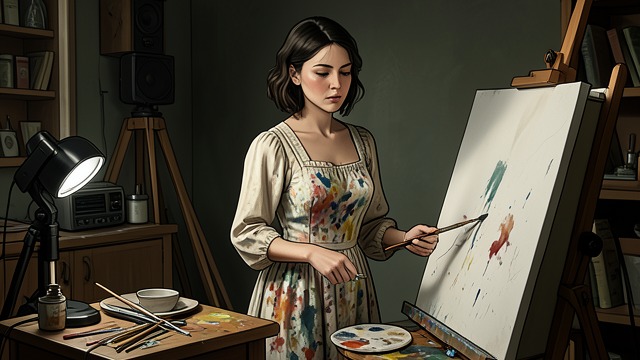
Seeing Before Painting
Perception
Lily sees the garden’s colors and forms with conviction. Translating that vision into marks on canvas, however, feels uncertain and frightening.
Independence
Her struggle is not merely technical. She is trying to protect a distinctive way of seeing from fashionable expectations and other people’s judgment.
The Gendered Insult
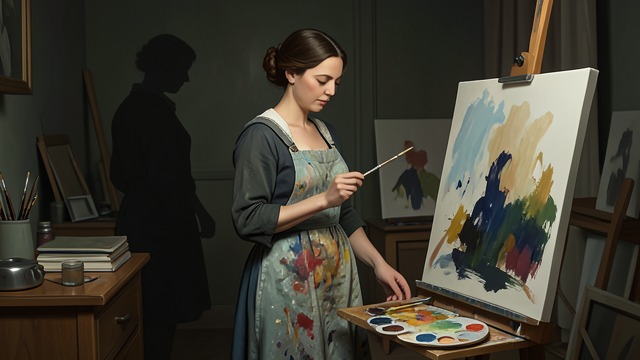
A Doubt Imposed
Dismissal
Charles Tansley’s remark that women cannot paint or write returns to Lily as she works. The voice becomes an internal obstacle even when he is not present.
Resistance
Lily cannot simply ignore the insult; it unsettles her confidence. Continuing to paint becomes a way to dispute the social verdict through action.
The Unfinished Picture
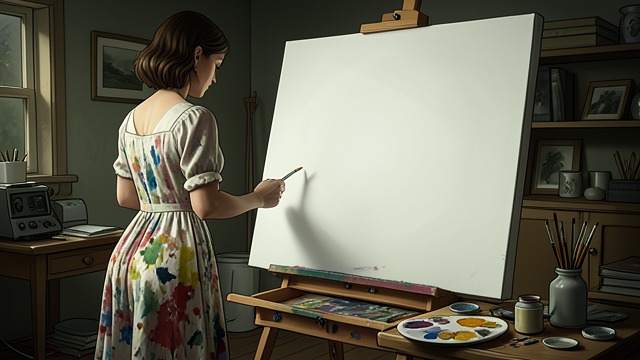
A Work Left Open
Interruption
Lily does not finish her painting before the family’s life changes. Its unresolved composition remains an active problem in her memory.
Persistence
The picture outlasts the summer and its immediate social pressures. Lily carries its arrangement with her, returning to it mentally over the years.
The Return to Painting
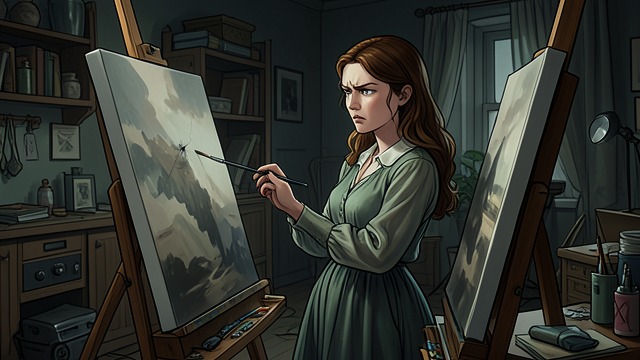
Resuming the Work
Distraction
Lily finds that Mr Ramsay’s presence makes it difficult to concentrate. Her sympathy, irritation, and memories compete with the act of painting.
Commitment
After the boat leaves, she makes the first decisive strokes. The work requires her to accept uncertainty rather than wait for perfect confidence.
The Vision Completed
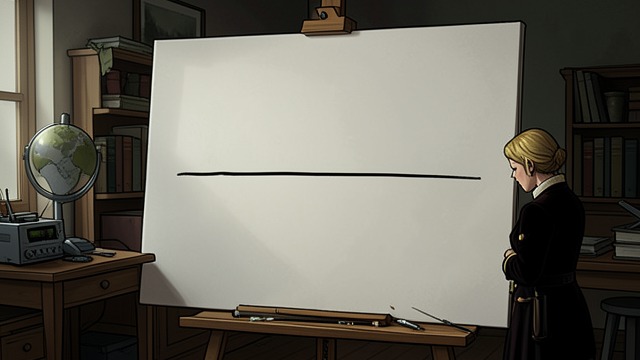
A Line Across the Canvas
Decision
Lily draws a final line through the center of the picture. She recognizes the composition as complete and lays down her brush exhausted.
Measure of Success
She does not know whether the painting will survive or be admired. Completion matters because it realizes her own vision, not because it secures public recognition.
the first summer afternoon beside the lawn
that evening while Lily paints
at the close of the first summer
the morning of the later Lighthouse trip
late that same morning
